Recent Articles:

Easy Baked Pasta

April 26, 2026 Entrees, Menu, Pasta No Comments

This is a simple pasta dish that’s perfect for a quick weeknight meal.

Don’t confuse this recipe with a big Sunday gravy-and-meatballs dinner—this is a quick, 20–25 minute, start-to-finish meal that makes 2 large or 4 small servings.

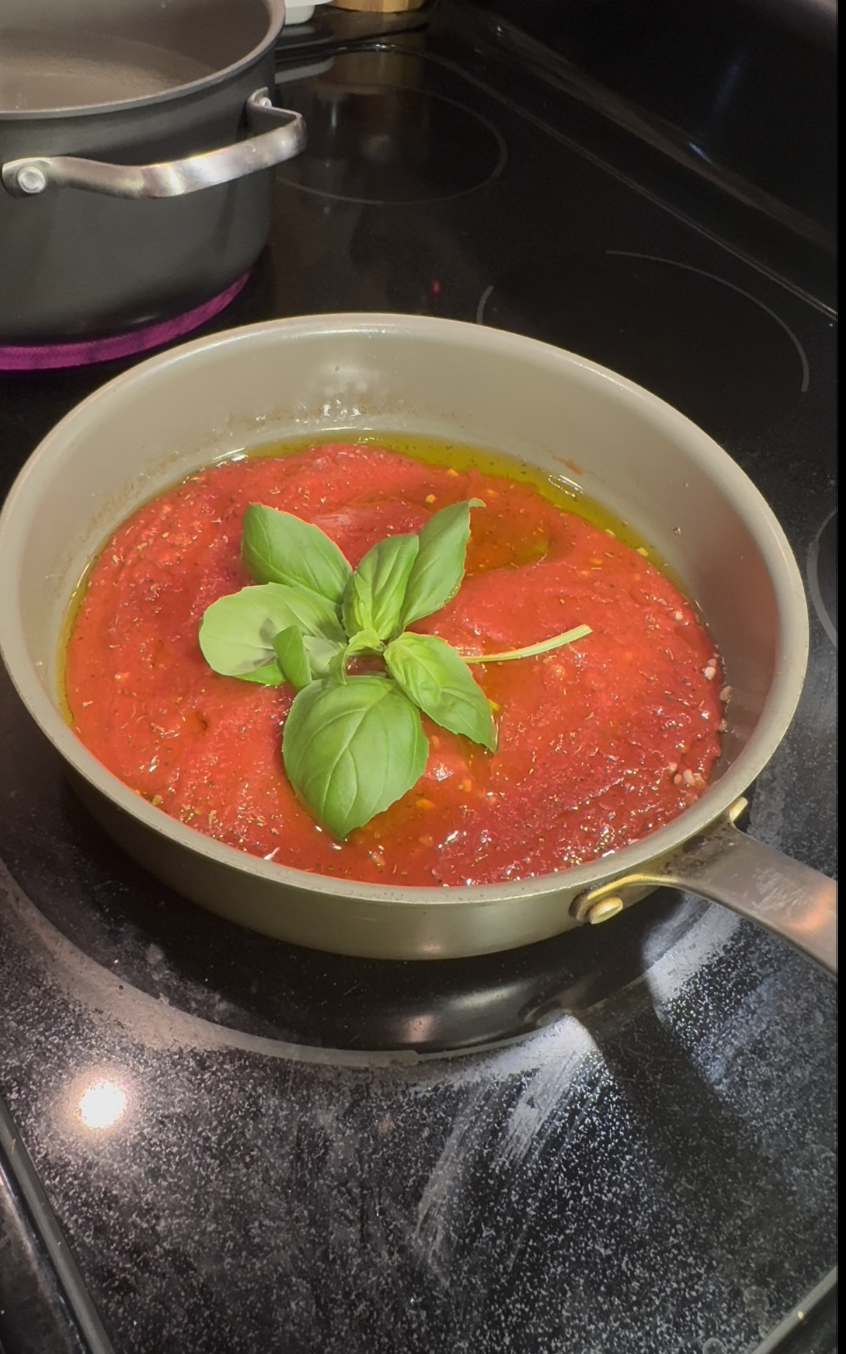
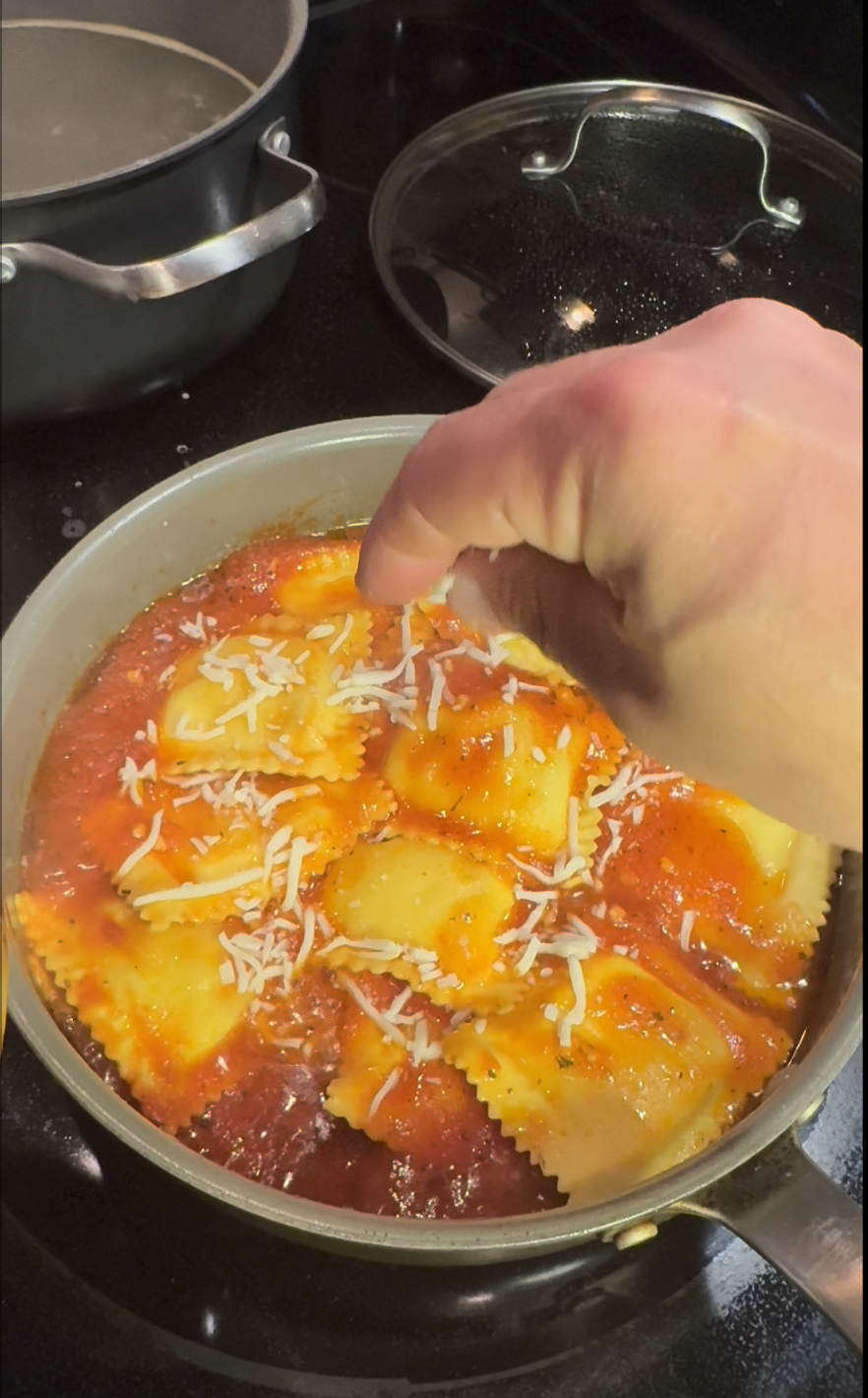
You’ll start with a quick marinara in an oven-safe skillet, then finish everything under the broiler.

The secret ingredient to this recipe is the pasta water. Whether you are making a marinara, a pesto sauce or a cream sauce, the starch of pasta water elevates the taste and texture of your sauce. You only need a small amount for this dish, one ladle or about 1/4 cup.

  • 1/3 cup olive oil
  • 4 cloves garlic, minced
  • 1 (15-ounce) can crushed tomatoes
  • 1 tsp dried oregano
  • 1 sprig fresh basil (add it to the sauce stem and all; you’ll pull it out once it wilts)
  • Shredded mozzarella + grated Parmesan (to your liking)
  • 6–8 oz pasta (your choice)
  1. In a large, oven-safe skillet, heat the oil over medium heat. When it’s hot, add the garlic.
  2. Once the garlic starts to sizzle (don’t let it brown), add the tomatoes.
  3. Stir in the oregano. Add the basil sprig, gently placing it right into the sauce.
  4. Cover and let the sauce simmer for about 15 minutes.
  5. While it simmers, boil your pasta per the package directions. Cook until al dente and reserve a bit of pasta water (the pasta will finish cooking in the sauce).
  6. Remove the wilted basil, then add the al dente pasta to the sauce.
  7. Stir in 1 ladle (about 1/4 cup) of pasta water. You can also add salt and crushed red pepper to taste.
  8. Add shredded mozzarella and grated Parmesan. I like to add just a bit so it’s not too cheesy, but you can do it to your liking.
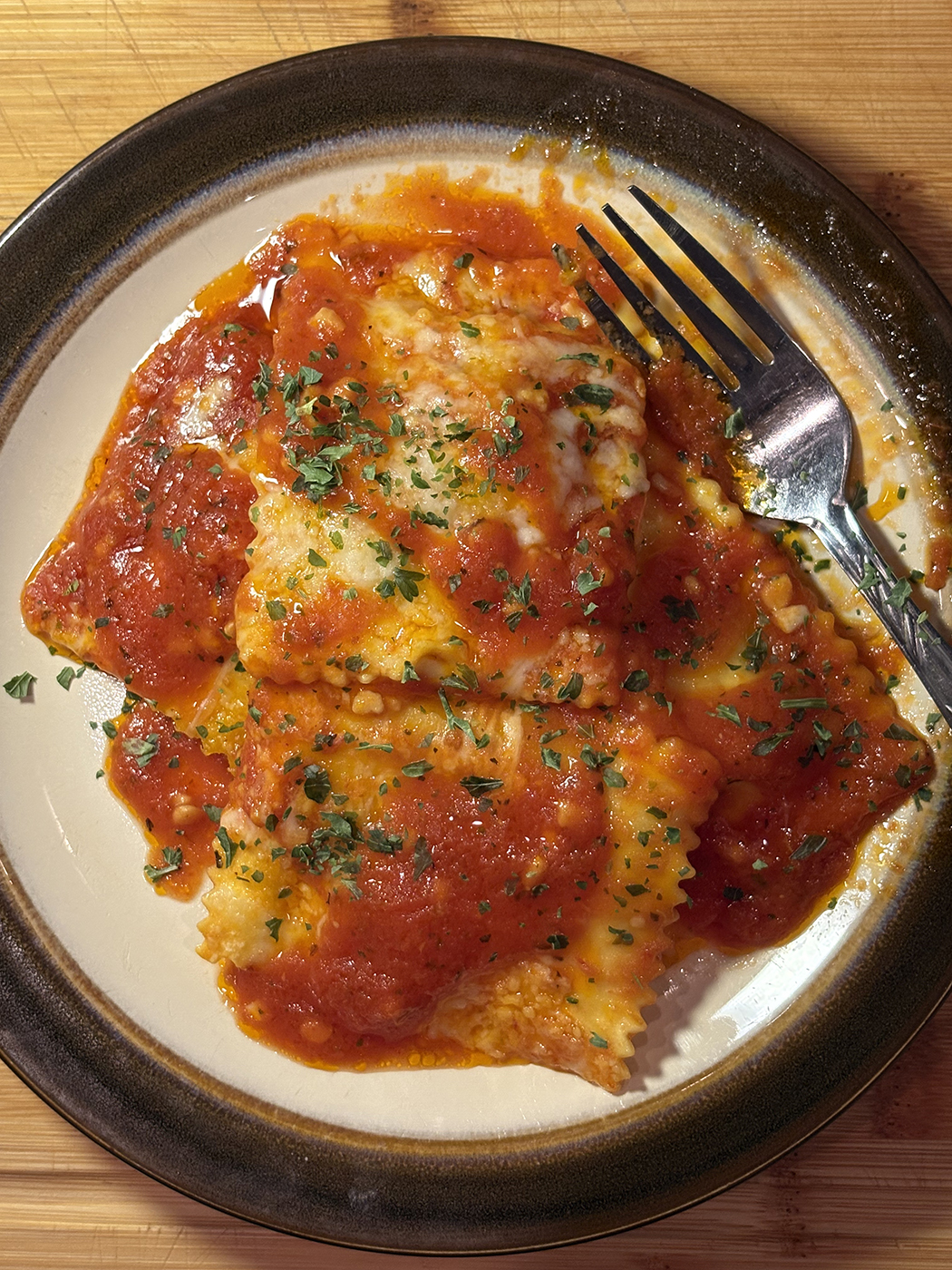
  9. Finish under the broiler on high for 2–3 minutes, until the sauce bubbles and the cheese just starts to melt. (No broiler? Bake at 425°F for about 10 minutes, or until bubbling and melted.)
  10. Carefully remove the pan, plate, and garnish with chopped parsley if you’d like—then enjoy.
Share

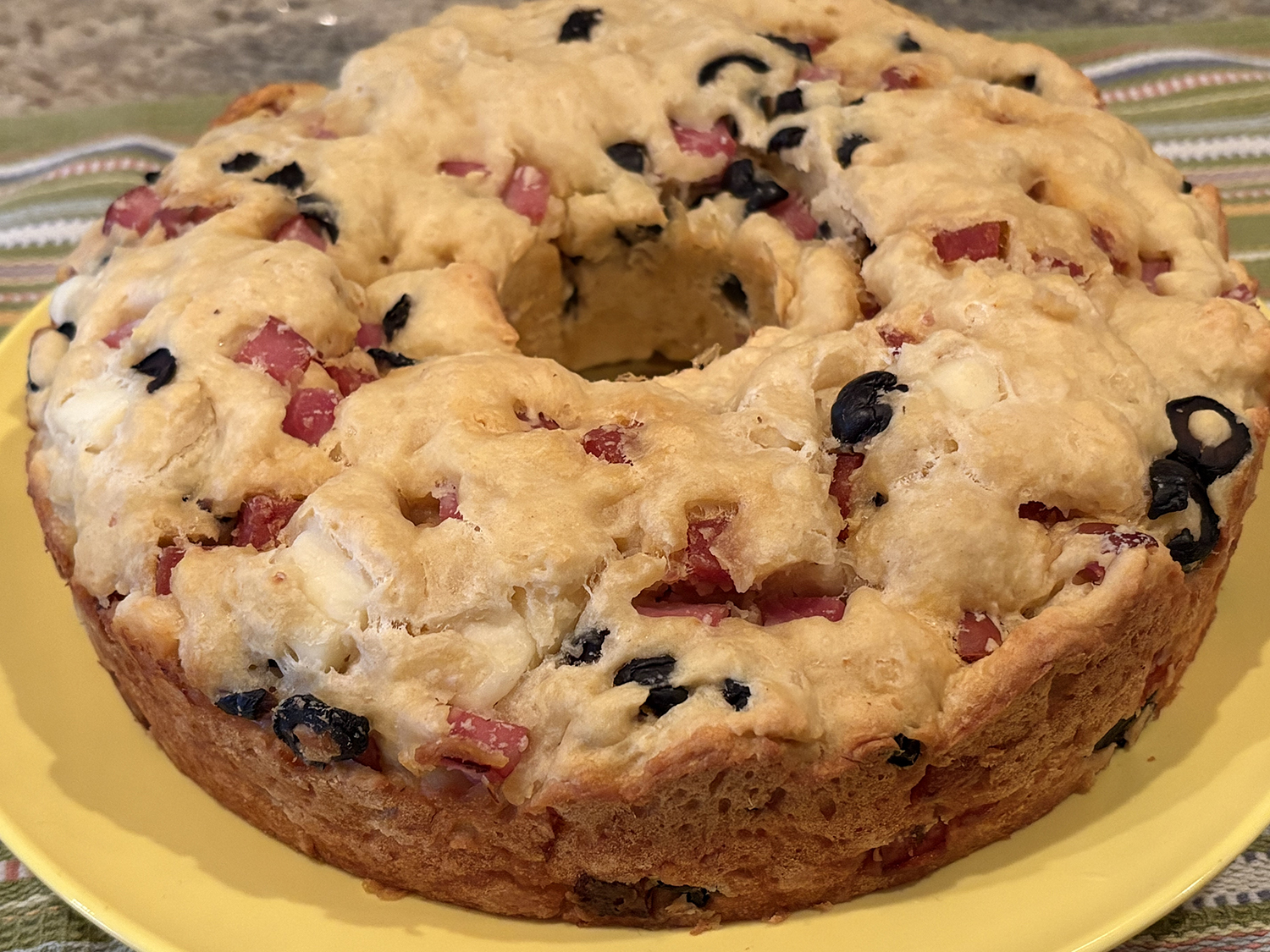
Ciambella Rustica

For years, a big part of our Easter tradition has involved baked goods. We would make Easter bread, Italian rice pie (which Ava has since taken over and now claims as her own), fiadone cheese pockets, and pizza rustica—also known as pizza chena, or simply Easter ham pie.

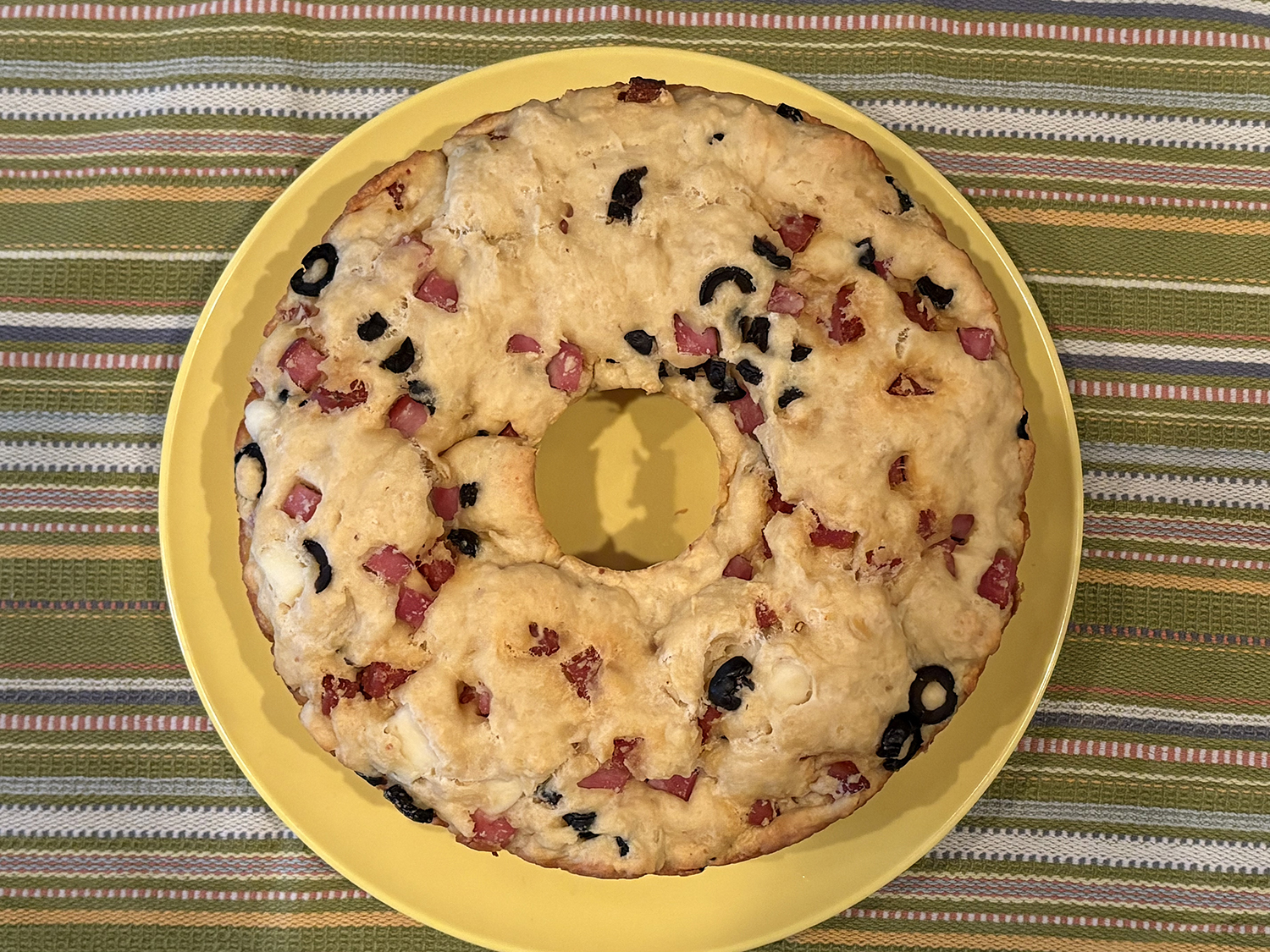
Pizza rustica, as I prefer to call it, is a rustic pie made with eggs, various meats such as ham, salami, pepperoni, or mortadella, and cheese—provolone being my choice. I also like to add black olives, simply because I love them, and they complement this dish beautifully.

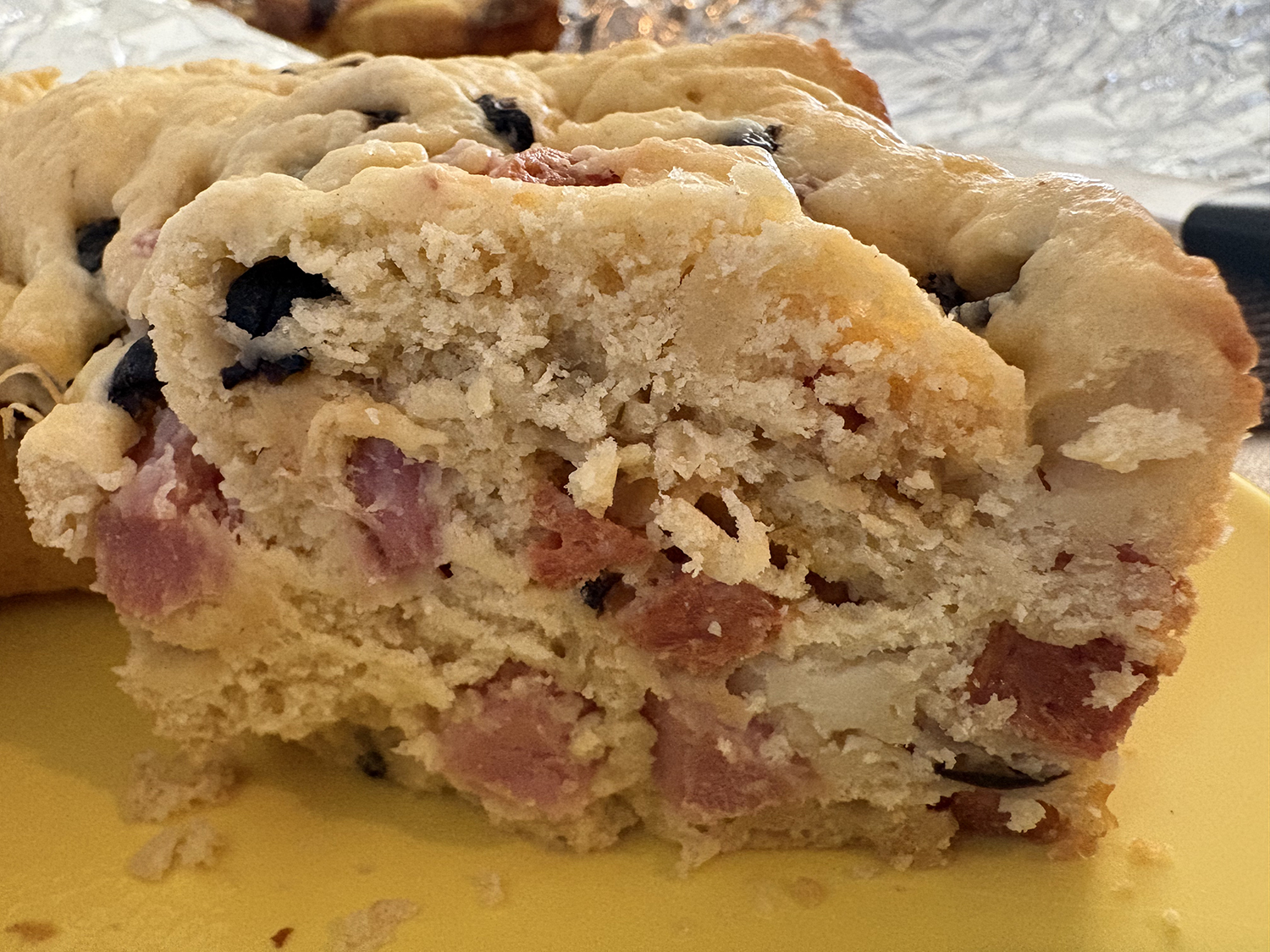
This year, I discovered an interesting variation called Ciambella Rustica, courtesy of Giovanni Siracusa. The concept and ingredients are basically the same, with the addition of flour and olive oil, which transforms it into more of a bread or savory cake. It can be baked in either a tube pan or a Bundt pan (cue My Big Fat Greek Wedding). I was intrigued and decided this was the recipe I would follow this year.

The process was wonderfully simple—everything mixed in one bowl, poured into the pan, and baked. The result had the same savory flavors as traditional pizza rustica, but with a more bread-like texture that was surprisingly complementary.

The beautiful part of traditions is the comfort of revisiting moments we love. Another wonderful part is allowing ourselves to update them—carrying the original meaning forward in a new and special way. This recipe does exactly that.

I realize I’m sharing this a bit late for Easter, but honestly, it’s a dish worth making any time of year. It’s far too delicious to enjoy just once.

To watch Giovanni Siracusa’s process and to get his recipe, click here.

Share

Pizza with Mussels and Lemon Hummus

March 15, 2026 Entrees, Menu No Comments

It was pizza night and I wanted to do something fun and a little unexpected, so I turned a pack of frozen mussel meat into a seafood gourmet pizza. Frozen mussels are already cooked and incredibly versatile, making them perfect for a quick, creative meal.

Instead of a traditional red sauce, I went Mediterranean and used lemon hummus as the base. I drizzled olive oil mixed with minced garlic and sea salt over both the hummus and the mussels to build flavor in layers.

The pizza baked at 475°F for about 10 minutes, until the crust was crisp, and was finished with fresh chopped parsley. Simple, bright, and absolutely delicious.

This pizza is easy to customize—use your favorite dough or flatbread, make it personal-sized or shareable, and swap in any hummus you love. Have fun with it and enjoy.

The main ingredients: hummus, mussel meat, olive oil with garlic, parsley.
Share

An Interview with Scott “Chef Dad” Noye

February 28, 2026 Menu No Comments

In this post, I’m delighted to introduce my friend Scott Noye, the owner and head instructor of Chef Dad’s Table—a culinary program offering hands-on vocational, food service, and family and consumer science education for children and adults.

I first connected with Scott while exploring our local food community, and it didn’t take long to see how deeply he cares about teaching, creativity, and connection through food. Since then, he’s been a generous source of encouragement and inspiration as I continue to pursue my own creative work.

I recently had the chance to ask Scott a few questions about Chef Dad’s Table, and his responses were thoughtful and energizing. I’m excited to share them with you. To learn more about his work, visit https://www.chefdadstable.com.

And now—onto the interview.

Q: What inspired you to start teaching kids how to cook?
I always wanted to be a teacher. My father convinced me to select another profession. Ironically, both my parents ended their careers as teachers! When I was laid off from my job after 26 years, I took some time to reevaluate my future and developed the concept of Chef Dad’s Table. I love seeing children and others showing an interest in and enjoying cooking and working with food. Sharing my knowledge and helping others learn and develop a passion for food and kitchen life skills was the impetus. 


Q: What do you think kids learn in the kitchen that they don’t always learn elsewhere?
Oh wow…there is so much that the students learn in our kitchens. I think they learn differently in this type of environment. First off, there is instant gratification…we eat great food at the end of class. That’s a true motivator for everyone to listen closely and follow directions and watch my demonstration. Many of the tasks we tackle in class can’t be done alone. Teamwork is paramount and everyone takes part. 


Q: How do you choose recipes? How do you accommodate allergies and dietary needs?
Some of our recipes have become tried and true favorites and are requested repeatedly. Many are new. We try to keep up to date with the current food trends appearing on the scene. I follow along on social media and see the latest viral videos. We incorporate a lot of these into our programming. In fact, we are offering a class based on “Viral Tik Tok Food Trends”. 

We try to accommodate all the common food allergies and dietary restrictions. We discuss with families’ alternatives and substitutions and often rewrite our recipes that are acceptable. 


Q: How do you design a class that’s both educational and genuinely fun?
Creating a curriculum that is educational, fun, and tasty takes a bit of thinking. You want it to be a learning experience balanced with hands-on participation that is engaging and age appropriate. We look at recipes from cookbooks, websites online, magazines, social media and then we tweak them to fit our needs. Sometimes the class revolves around holidays and special dates on the calendar, often it’s about culture and cuisine or new trends. 


Q: What’s the first skill you love teaching beginners, and why that one?
At the beginning of all our class sessions we focus and emphasize understanding how important our Five Senses are. Listening and watching, tasting, smelling, and touching are all so valuable in the kitchen environment.  


Q: When things go wrong—spills, burnt food, or frustrated kids—how do you handle it?
Ah…as long as there is no blood, we’re good! Spills, burnt food, or food that doesn’t come out as planned, we can solve these issues relatively easily. Accidents happen, mistakes happen, no worries. Do the kids get frustrated? Sure, at times, often it has nothing to do with the recipe or the result. A lot of the time it is because they must wait their turn or share…normal kid stuff. Do we get shmooshed eggs with shells instead of a nicely cracked egg? Yes! Is it frustrating? Yes! So we take a deep breath, back up a bit, discuss what happened, and try it again. 


Q: Can you share a moment or feedback that made you think, “This is why this program matters”?
When I arrive at some of our group homes for our cooking and kitchen life skills class, the residents are waiting for me at the front door. We hug and high five. They are smiling from cheek to cheek.


Q: What’s the proudest dish you’ve seen a child make?
Watching their faces as we take a freshly baked loaf of bread out of the oven always creates a lot of “ohhhs and ahhhs”. Going through the steps of growing the yeast and then watching the dough rise and then culminating with a beautiful and tasty masterpiece is priceless! 


Q: What’s the messiest class you’ve taught?
Ha! Anything with sprinkles, jimmies, and edible glitter!!! 


Q: If a child leaves your class loving just one thing about cooking, what do you hope it is?
I hope they feel a sense of accomplishment, and it boosts their self-confidence and self-esteem. 


Q: How has the program evolved since it began?
Well, when we first began, we only worked with elementary and middle school aged children. Now, we work with toddlers all the way through senior citizens, and we work with all abilities as well with special attention and emphasis for those children and adults with disabilities. 


Q: Are there any dream classes or collaborations you’d love to explore?
I would like to travel more and partake in cooking classes and workshops and seminars globally. Both for my own enjoyment and to bring back new knowledge to share.


Q: If you had to describe this program in one sensory moment—a smell, sound, or taste—what would it be?
I don’t think it would be something sensory, but the emoji I would best associate with our organization is a big sunshine with a smile on its face. 

Share

Archives

powered by
Socialbar